
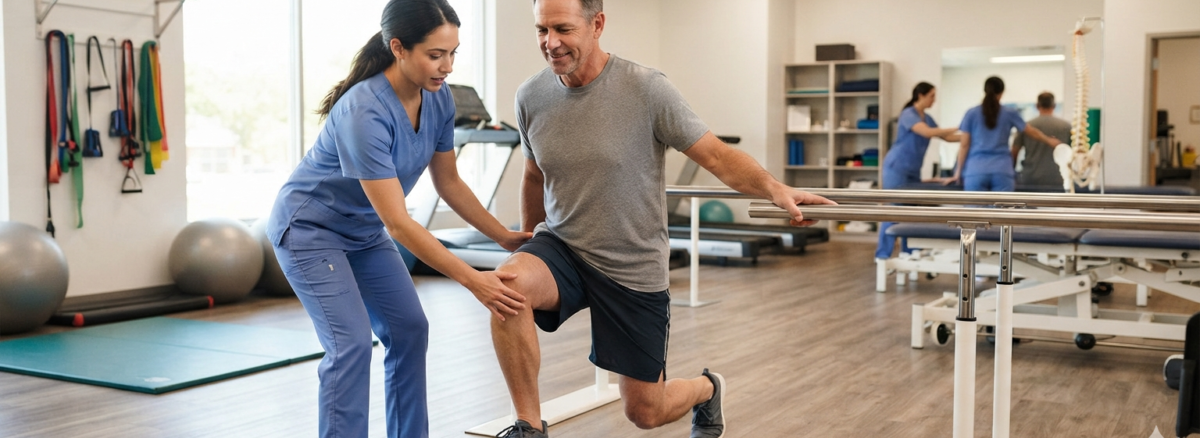
Our bodies are designed to move, but pain, injuries, illness, surgery, poor posture, and long periods of inactivity can affect the way we move and perform everyday activities. Physiotherapy plays an important role in helping individuals improve mobility, manage physical limitations, build strength, and regain confidence in movement.
Physiotherapy is not only for people recovering from major injuries or surgery. It can also help individuals experiencing back pain, neck pain, joint stiffness, sports injuries, balance problems, movement difficulties, or reduced physical strength.
At Motion Move, physiotherapy is focused on understanding your individual condition and creating a personalised plan based on your needs, abilities, and goals.
1. To Reduce Pain and Discomfort
Pain can affect your ability to work, exercise, sleep, and perform daily activities. Physiotherapy may help address movement-related problems through appropriate exercises, mobility training, strengthening, and other rehabilitation techniques.
A physiotherapist can assess how your body moves and identify areas that may need focused attention.
2. To Improve Mobility and Movement
Stiffness, weakness, injury, or prolonged inactivity can reduce mobility. Physiotherapy can help improve flexibility, joint movement, strength, and overall physical function.
Improved mobility can make everyday activities such as walking, climbing stairs, bending, reaching, and getting up from a chair easier and more comfortable.
3. To Recover From Injuries
Whether it is a sports injury, muscle strain, ligament injury, joint problem, or workplace injury, proper rehabilitation can play an important role in recovery.
A structured physiotherapy program may help restore movement, rebuild strength, improve stability, and gradually support a safe return to regular activities.
4. To Support Recovery After Surgery
After certain surgeries, the body may experience weakness, stiffness, reduced mobility, or difficulty returning to normal activities.
Physiotherapy can support the rehabilitation process through personalised exercises and functional movement training based on the individual’s condition and recovery goals.
5. To Improve Strength and Physical Function
Muscle weakness can affect balance, posture, mobility, and everyday independence. Therapeutic exercises can help improve strength and physical capacity in a safe and structured manner.
A personalised exercise program can be adjusted according to your current physical ability and progress.
6. To Improve Balance and Prevent Falls
Balance problems can affect people of different ages, particularly older adults and individuals with certain neurological conditions.
Physiotherapy may include balance, coordination, strength, and functional movement exercises designed to improve stability and confidence during everyday activities.
7. To Support Neurological Rehabilitation
Neurological conditions can affect movement, coordination, balance, strength, and independence.
Physiotherapy plays an important role in rehabilitation for individuals recovering from or living with conditions such as:
- Stroke
- Parkinson’s disease
- Spinal cord injury
- Traumatic brain injury
- Multiple sclerosis
- Cerebral palsy
A personalised rehabilitation plan can focus on improving functional abilities and supporting greater independence.
8. To Improve Posture and Movement Habits
Long hours of sitting, repetitive movements, poor workplace ergonomics, and inactive lifestyles can contribute to physical discomfort and movement problems.
Physiotherapy can help improve posture awareness, mobility, strength, and movement habits through personalised guidance and therapeutic exercises.
9. To Support an Active and Healthy Lifestyle
Physiotherapy is not only focused on recovery. It can also help individuals understand their movement, improve physical function, and build confidence in exercise and daily activities.
Whether your goal is to return to sports, improve mobility, recover from an injury, or simply move more comfortably, a personalised physiotherapy plan can support your physical goals.
When Should You Consider Physiotherapy?
You may consider consulting a physiotherapist if you are experiencing:
- Persistent back or neck discomfort
- Joint stiffness or reduced mobility
- Difficulty walking or maintaining balance
- Sports or workplace injuries
- Muscle weakness
- Post-surgery movement limitations
- Recurring movement-related problems
- Difficulty performing everyday activities
- Neurological movement challenges
- Reduced confidence during physical activity
The Importance of Personalised Care
Every individual is different. Two people with similar symptoms may have different movement patterns, physical abilities, lifestyles, and recovery goals.
That is why a personalised physiotherapy approach is important. A proper assessment can help create a rehabilitation plan that is appropriate for the individual’s needs and can be progressed over time.
Move Better With Motion Move
At Motion Move, we believe that better movement can support greater confidence and independence in everyday life.
Our physiotherapy and rehabilitation approach focuses on understanding your individual needs and helping you work towards improved mobility, strength, balance, and physical function.
Whether you are recovering from an injury, managing movement limitations, or working towards a more active lifestyle, personalised physiotherapy can help support your journey towards better movement.
Conclusion
Physiotherapy can be an important part of recovery, rehabilitation, movement improvement, and long-term physical well-being. From managing pain and recovering from injuries to improving strength, mobility, balance, and independence, physiotherapy supports people at different stages of life and recovery.
Better movement starts with the right guidance, a personalised plan, and consistent progress.